
Natural Support for Your Active Life
Explore educational insights on natural supplements that complement physical activity and daily wellness routines for men.
Explore Knowledge
Natural supplements are concentrated forms of nutrients and plant-based compounds that may complement your daily nutrition. They come from various sources including herbs, minerals, vitamins, and botanical extracts.
For men maintaining an active lifestyle, understanding these natural complexes helps make informed choices about nutritional support. Each ingredient has its own profile of compounds that interact with the body in different ways.
This educational resource provides knowledge about common natural supplements, their origins, composition, and how they fit into a balanced approach to daily wellness.

Physical energy comes from multiple factors: nutrition, rest, hydration, and consistent activity patterns. Natural supplements containing B vitamins, adaptogens, and plant extracts are often explored by those seeking to support their daily energy levels.
Common ingredients in energy-supporting complexes include ashwagandha, rhodiola, ginseng, and coenzyme Q10. These have been used traditionally in various cultures and are now studied for their potential role in supporting vitality.
Understanding how these natural compounds work within the body helps you make thoughtful decisions about incorporating them into your routine.

Joints are complex structures that enable movement. Maintaining joint health involves regular movement, appropriate rest, and nutritional support. Natural supplements for joint wellness often contain glucosamine, chondroitin, MSM, and collagen.
These compounds are naturally present in connective tissues. Supplemental forms are derived from various sources and are explored by individuals who engage in regular physical activity or want to support their mobility as they age.
Learning about joint-supporting ingredients empowers you to consider options that align with your movement goals and daily activities.

Explore different categories of natural support for active men
Natural compounds like creatine, beta-alanine, and beetroot extract are studied for their role in supporting sustained physical activity and workout performance.
Protein supplements, branched-chain amino acids, and anti-inflammatory botanicals like turmeric are explored for supporting the body's natural recovery processes.
Multivitamins, omega-3 fatty acids, and mineral complexes help fill nutritional gaps in modern diets and support overall wellness routines.
When exploring natural supplements, consider factors like ingredient purity, source transparency, third-party testing, and manufacturing standards. Quality matters in the supplement industry.
Look for products that clearly list their ingredients, provide information about sourcing, and come from reputable manufacturers. Understanding labels helps you make informed decisions.
Researching individual ingredients, their typical dosages, and how they complement each other builds your knowledge foundation for responsible supplementation.
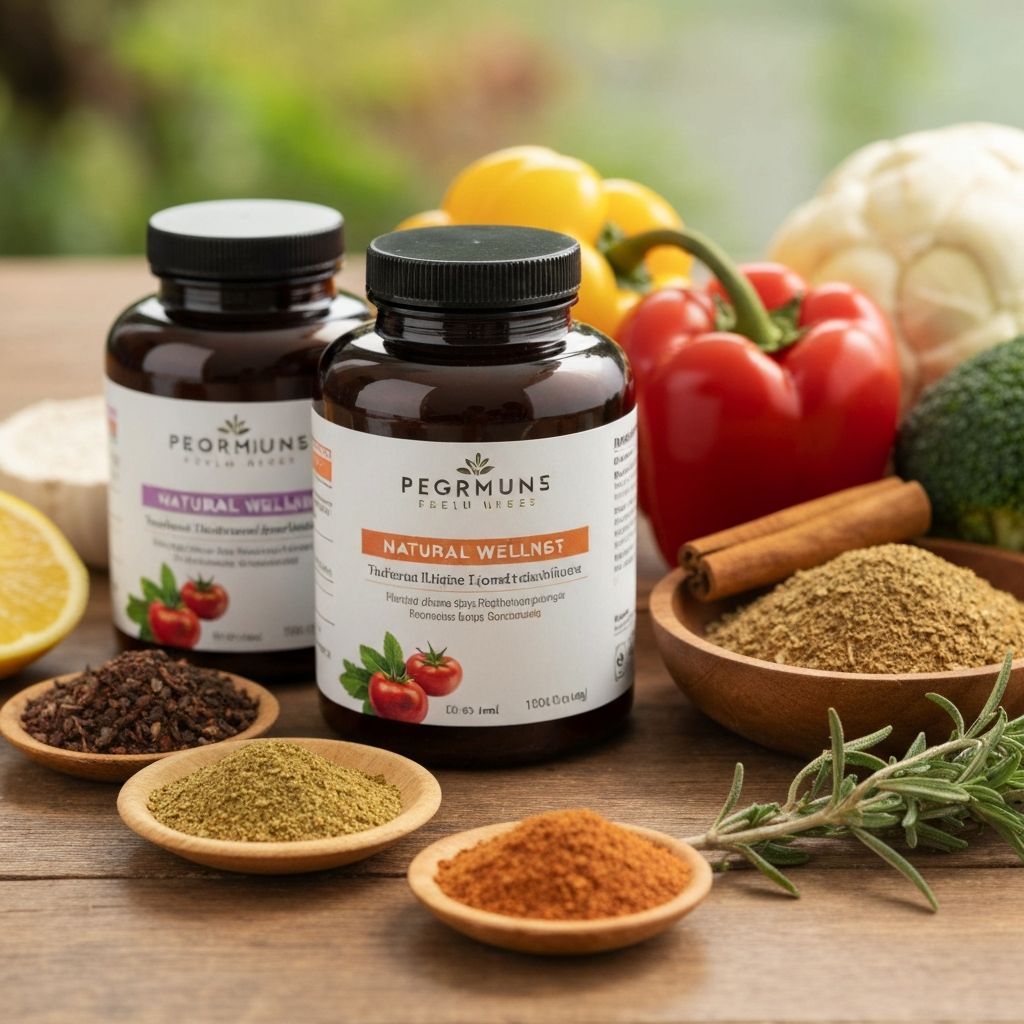
Physical activity and nutritional support work together in a balanced wellness approach. Regular movement creates demands on the body that proper nutrition and supplementation can help address.
Whether you engage in strength training, endurance activities, or daily walking, understanding how natural supplements interact with your activity level helps you create a cohesive wellness strategy.
The timing of supplement intake, the combination of different compounds, and their relationship with food and exercise are all elements worth exploring in your educational journey.

Learn about commonly used natural compounds
Plant-based compounds like ashwagandha and rhodiola, traditionally used to support the body's response to physical demands and daily stressors.
Building blocks of protein, including essential amino acids and compounds like L-carnitine that play roles in energy metabolism and muscle function.
Concentrated plant compounds from sources like green tea, turmeric, and ginger, valued for their diverse phytonutrient profiles.
Vitamins and minerals like vitamin D, magnesium, and zinc that support various bodily functions and are sometimes supplemented when dietary intake is insufficient.
Successful supplementation is about consistency and integration into daily routines. Taking natural supplements irregularly or without consideration of your overall lifestyle diminishes their potential role in supporting wellness.
Consider creating a simple system: taking supplements at the same time daily, tracking what works for your body, and adjusting based on changes in activity level or goals. This methodical approach helps you observe patterns over time.
Patience is essential. Natural supplements work with the body's own processes, which means effects may develop gradually rather than immediately. Setting realistic expectations supports a sustainable approach.
Combining supplementation with other healthy habits like adequate hydration, quality sleep, balanced nutrition, and regular movement creates a comprehensive wellness foundation.
Sustainable wellness comes from consistent small steps, not dramatic overnight changes. Understanding natural supplements is part of a broader journey toward informed self-care.
Whether you're exploring supplements for the first time or refining your existing routine, taking time to learn about ingredients, their sources, and how they fit into your lifestyle demonstrates a thoughtful approach to personal wellness.
Understanding what to look for in natural supplements
Quality supplements clearly list all ingredients with their amounts. Proprietary blends that hide specific quantities make it difficult to understand what you're consuming.
Look for products that specify the form of each ingredient, as bioavailability can vary significantly between different compound forms.
Understanding where ingredients come from matters. Some supplements use synthetic versions of nutrients, while others derive them from whole food sources or specific plant extracts.
Third-party testing for purity and contamination provides additional confidence in product quality and safety standards.
Effective supplementation often depends on using appropriate amounts of each ingredient. Research typical dosing ranges for compounds you're interested in.
More is not always better. Many nutrients have optimal ranges, and exceeding them provides no additional benefit while potentially causing imbalances.
Some nutrients work synergistically. For example, vitamin D is often paired with vitamin K2, and magnesium is commonly combined with calcium.
Understanding these relationships helps you choose well-formulated products or create effective supplement stacks when using individual ingredients.
Educational perspectives on natural supplementation
Lifestyle and nutrition awareness instructors emphasize that everyone's needs differ based on activity level, age, diet quality, and personal goals. What works for one person may not be ideal for another.
Supplements are meant to complement, not replace, a balanced approach to nutrition and lifestyle. Building strong foundational habits creates the context where supplements can play a supportive role.
Understanding natural supplements is an ongoing process. New research emerges, personal needs change, and staying informed helps you adapt your approach over time.
Insights from those who incorporate natural supplements
Learning about natural supplements helped me understand which compounds might support my running routine. I appreciate having educational resources that explain ingredients without making unrealistic promises.
As someone who values staying active, I wanted to learn about joint-supporting supplements. This site provided clear information about glucosamine and MSM without the hype I found elsewhere.
The straightforward approach to explaining adaptogens and energy-supporting compounds was refreshing. I felt informed rather than pressured, which helped me make thoughtful choices.
This varies significantly by ingredient and individual. Some compounds like caffeine or creatine may have noticeable effects within days, while others like joint-supporting ingredients may take weeks or months of consistent use. Natural supplements work with the body's existing processes rather than overriding them.
This depends on the specific supplement. Fat-soluble vitamins like D, E, A, and K are better absorbed with dietary fats. Some minerals are better absorbed on an empty stomach, while others may cause mild digestive discomfort without food. Product labels typically provide guidance.
Yes, some nutrients and compounds interact. Calcium can interfere with iron absorption. High doses of zinc can affect copper status. These interactions are generally manageable through timing or dosage adjustments. Researching ingredients before combining them is prudent.
Evaluating your dietary intake, activity level, and wellness goals provides starting points. Many people supplement to address specific nutritional gaps or support particular aspects of their active lifestyle. Some individuals consult with nutrition awareness professionals for personalized educational guidance.
Regulations vary by country. In many regions, supplements are regulated differently than pharmaceuticals. They must meet safety standards, but claims about benefits are less strictly controlled. This makes consumer education and choosing reputable manufacturers particularly important.
Explore more detailed information about natural supplement categories, ingredient profiles, and how they relate to active lifestyles for men.
Learn About Our Approach Ask Questions